The Ultimate Guide to Eco-Friendly Insulation Practices
Embracing eco-friendly insulation is an impactful way to improve energy efficiency in your property while contributing to environmental sustainability. At J&J Insulation, we prioritize sustainable solutions that benefit both our customers and the planet. In this guide, we’ll explore environmentally friendly insulation options, focusing on their key features, benefits, and usage.
Understanding Eco-Friendly Insulation
Eco-friendly insulation not only reduces energy consumption but also minimizes carbon footprints by using sustainable materials and processes. This section delves into various types of green insulation, offering insights into their specific characteristics.
Cellulose Insulation: The Recycled Champion
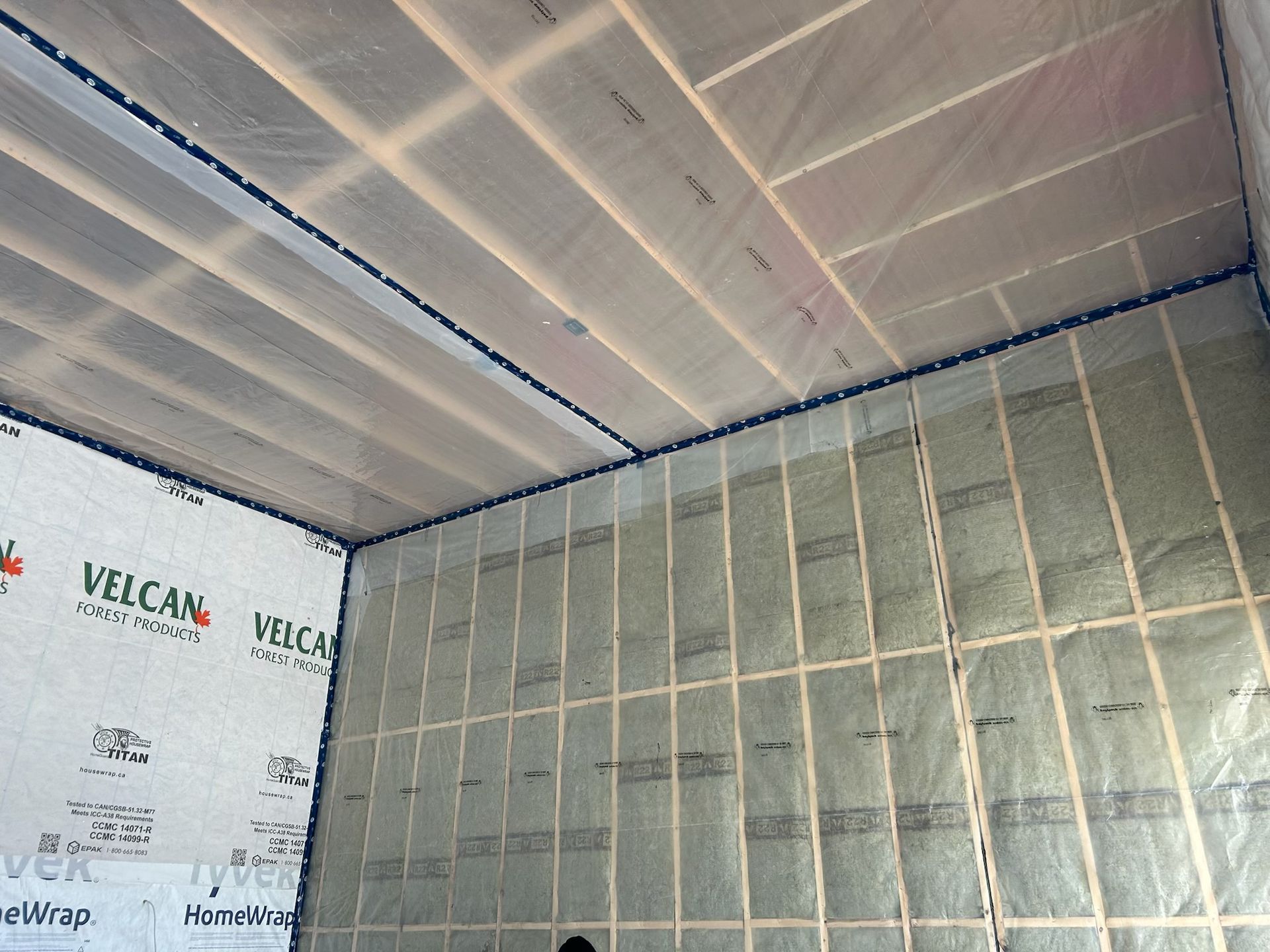
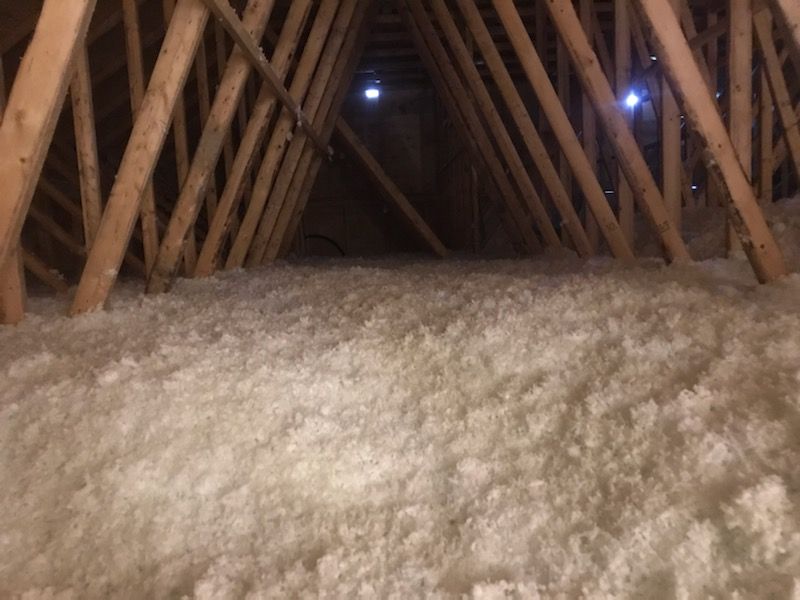
Cellulose insulation is an excellent choice for homeowners seeking sustainability. Made predominantly from recycled paper products such as newsprint, cellulose is treated with non-toxic fire retardants to enhance safety. It provides effective thermal performance and excels in reducing sound transmission. This insulation option is particularly beneficial for attics and enclosed existing wall cavities. Due to its high recycled content, cellulose meets environmental standards, making it a popular option for eco-conscious homeowners.
Spray Foam : Efficiency Meets Versatility
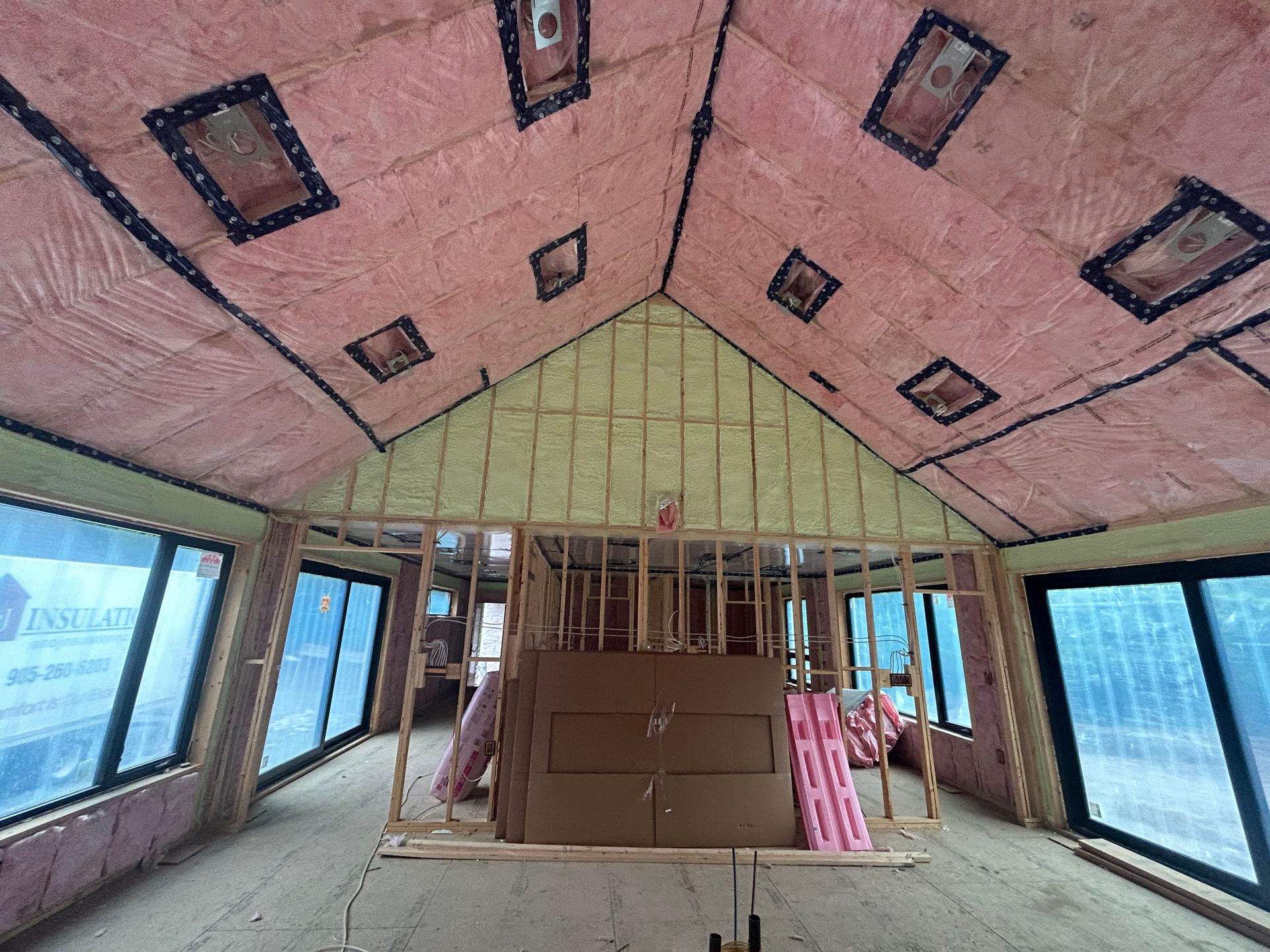
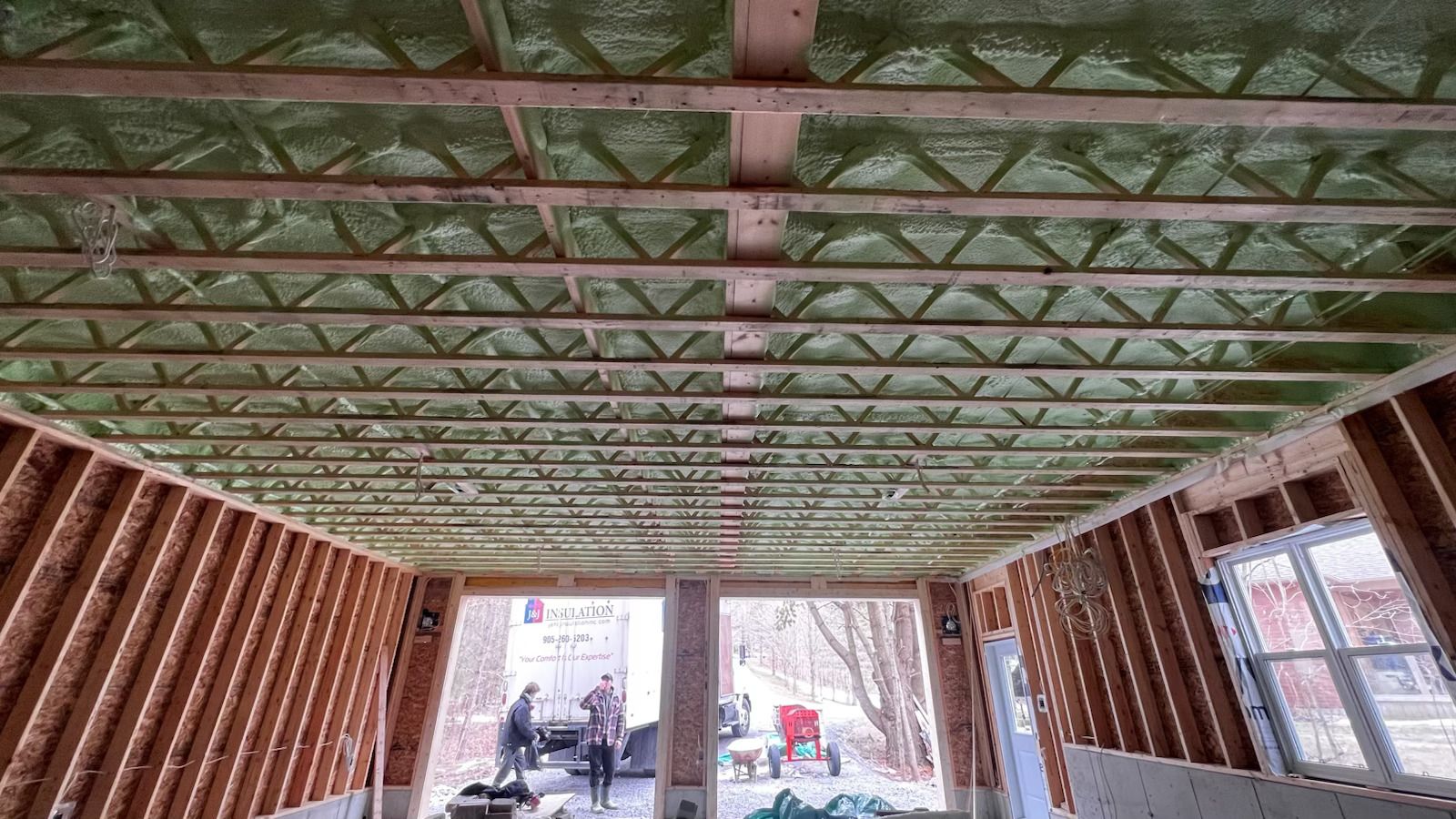
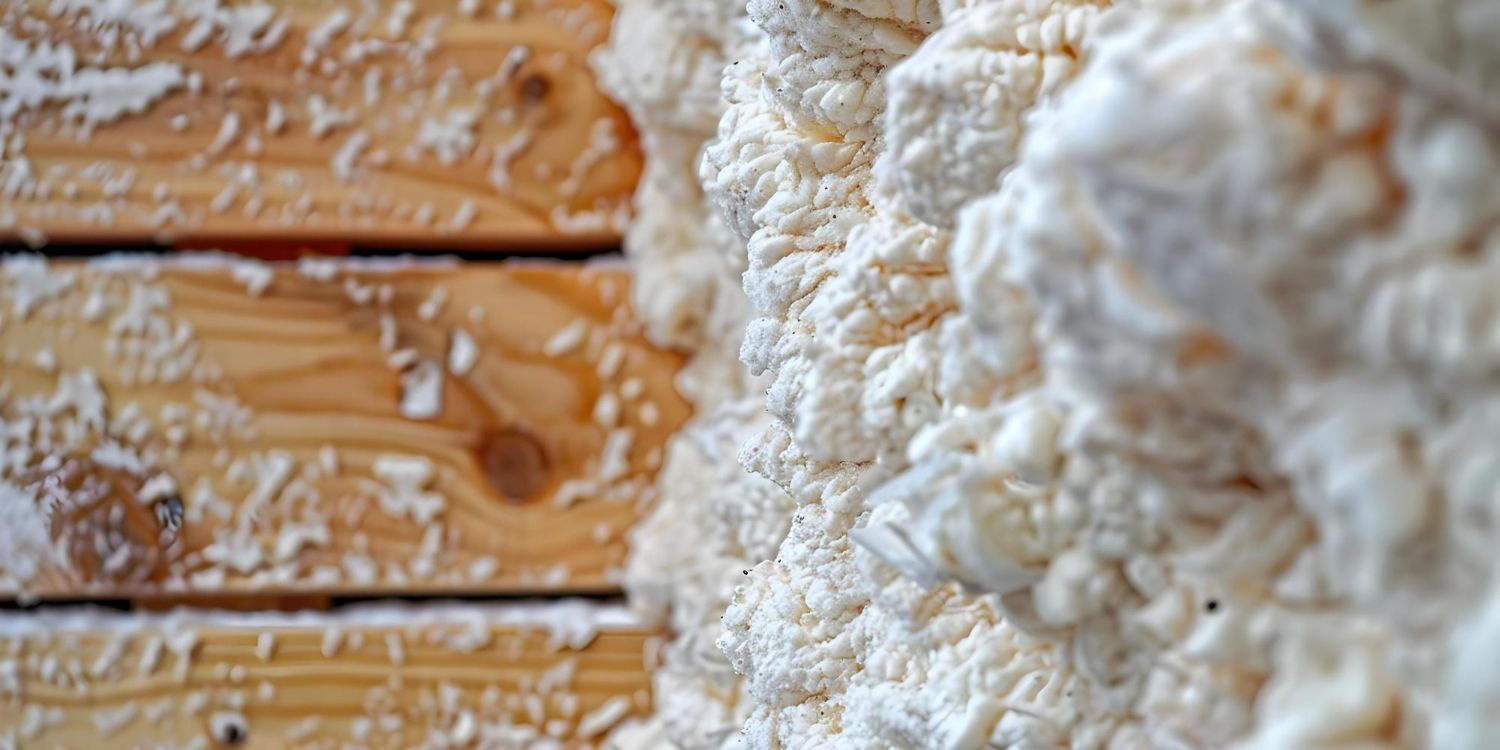
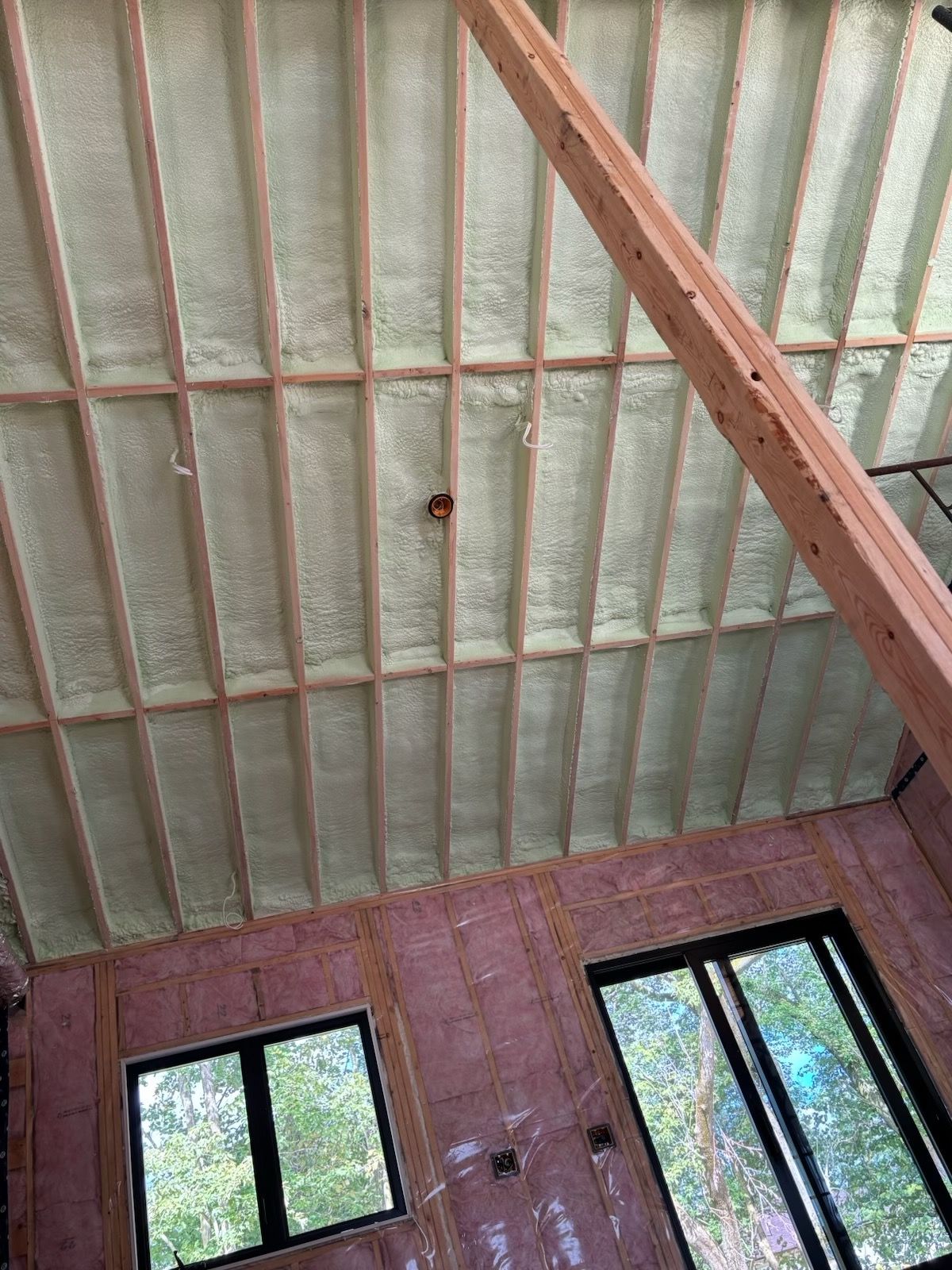
Spray foam insulation, known for its superior sealing capabilities, is another eco-friendly option. Although traditionally associated with higher energy use during production, advancements have led to the creation of greener, water-blown foams. Spray foam expands upon application, filling gaps efficiently and providing excellent thermal resistance. It is ideal for irregularly shaped areas and complex designs, offering exceptional insulation and air barrier properties. This results in reduced heating and cooling expenses, while minimizing environmental impact.
Cotton Insulation: Soft and Sustainable
Cotton insulation, often referred to as denim insulation due to its material source, comprises recycled cotton fibers. This makes it a safe, non-irritant option for those installing insulation themselves. It provides effective thermal and acoustic insulation while enhancing indoor air quality by being free of formaldehyde and other harmful chemicals. Its natural fibers are biodegradable, adding another layer of environmental friendliness. Cotton insulation works well in both residential and commercial settings, particularly where indoor air quality is a prime concern.
Wool Insulation: Nature’s Efficient Insulator
Wool insulation, derived from sheep's wool, is a natural and renewable resource offering great insulation performance. It naturally absorbs and releases moisture without losing its insulating abilities, which helps in regulating humidity levels indoors. Wool insulation’s ability to self-extinguish makes it a safe choice for fire risk areas. It's suitable for spaces requiring high performance in temperature and moisture control, adding to its eco-friendly credentials.
Benefits of Eco-Friendly Insulation
Switching to eco-friendly insulation brings numerous benefits:
Energy Efficiency: By improving thermal performance, eco-friendly insulation reduces energy requirements for heating and cooling systems, leading to significant savings on energy bills.
Sustainability: Sustainable insulation materials reduce environmental impact, utilizing recycled and renewable resources.
Enhanced Indoor Air Quality: Non-toxic materials promote healthier living environments, especially important for families with sensitivities or allergies.
Improved Acoustic Comfort: Many green insulation options also provide excellent soundproofing, creating quieter, more serene indoor spaces.
Making the Right Choice
Choosing the right eco-friendly insulation depends on your specific needs and project goals. Consider factors such as material properties, environmental impact, and performance in your decision-making process. Collaborate with experts who can evaluate your property and recommend the best insulation solution that aligns with both your energy saving objectives and environmental ethos.
By embracing eco-friendly insulation practices, you’re not only enhancing your property’s energy efficiency but also playing a role in environmental stewardship. The diverse range of sustainable options ensures that there is a perfect solution for every need. For personalized guidance and expert installation, reach out to our dedicated team at J&J Insulation. Discover how we can make your space more energy-efficient and environmentally responsible today.