True ROI Timelines For Upgraded Commercial Insulation Services
Facility managers in the Pickering industrial park often face intense pressure to reduce overhead costs while maintaining comfortable working conditions. Operating a large warehouse with failing wall barriers means watching thousands of dollars vanish through the roof every single winter. J&J Insulation Inc. understands that commercial property upgrades must make strict financial sense before a business owner signs the contract. Throwing money at a thermal upgrade without a clear understanding of the payback period is a risky operational move.
A successful industrial retrofit is fundamentally about controlling operational waste and securing a predictable return on investment. Quality commercial insulation services do more than just warm up the building they stabilize the mechanical load on expensive HVAC equipment. Knowing exactly when you will break even on the installation costs allows you to plan your capital expenditures with absolute confidence. This reality check strips away the marketing claims to reveal exactly how commercial foam applications perform over time.
Inside This Guide:
- Honest Timelines For Energy Bill Recovery
- The Common Overestimation About Instant Savings
- How Structural Air Leaks Affect Commercial Insulation Services
- Frequently Asked Questions
- Finalize Your Facility Audit
Honest Timelines For Energy Bill Recovery
The speed at which your facility recoups the cost of the installation depends entirely on the size of the building and current energy waste. Large industrial spaces with exposed metal roofing typically see the fastest financial return because the initial heat loss is so extreme. Most commercial properties achieve a full return on investment within three to five years strictly through reduced monthly heating and cooling bills.
→ From a professional standpoint: Extending the lifespan of your commercial rooftop HVAC units by reducing their daily workload adds massive hidden value to the ROI calculation.
The Common Overestimation About Instant Savings
Many business owners mistakenly believe that their energy bills will drop to zero the moment the foam cures. In reality your facility still requires baseline energy to heat the sheer volume of air inside the warehouse and operate heavy machinery. The thermal barrier stops the rapid heat loss but it cannot change the fundamental heating requirements of your specific industrial operations.
→ A quick tip to remember: Setting realistic expectations means looking for a 30 to 40 percent reduction in heating costs rather than expecting the utility bill to disappear entirely.
It is a pattern the team at J&J Insulation Inc. hears regularly from general contractors who manage client expectations.
►Client Experience: Adam Connor shared “J & J Insulation did an amazing job on the 140 sq ft addition I’m building for a client. Their work was clean, efficient, and professional from start to finish. My client was thrilled with the results — and when my client’s happy, I’m happy. Excellent value for the quality of work you get — absolutely worth every penny.”
Adam knows that delivering high quality workmanship provides excellent value that clients immediately recognize and appreciate.
How Structural Air Leaks Affect Commercial Insulation Services
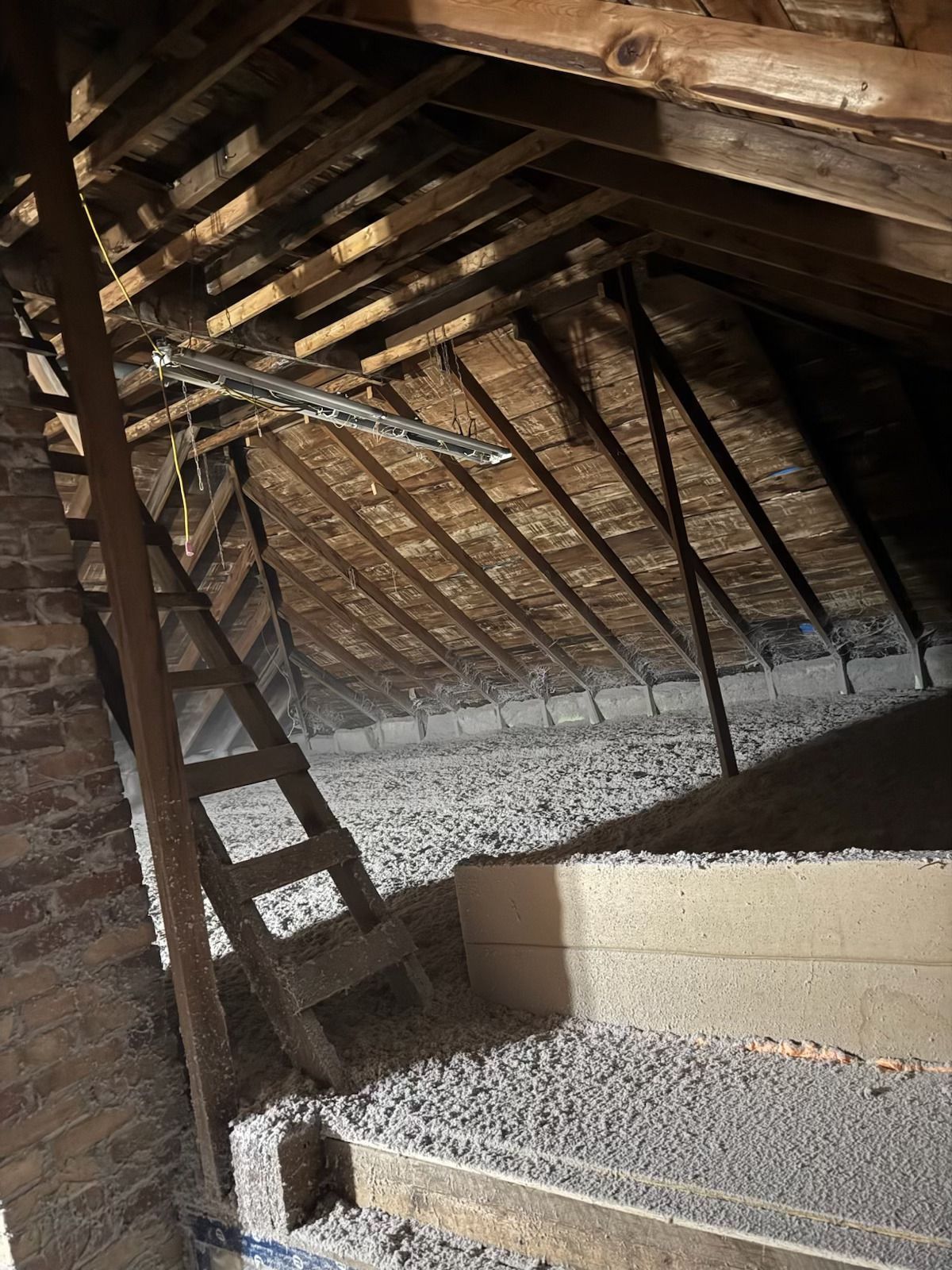
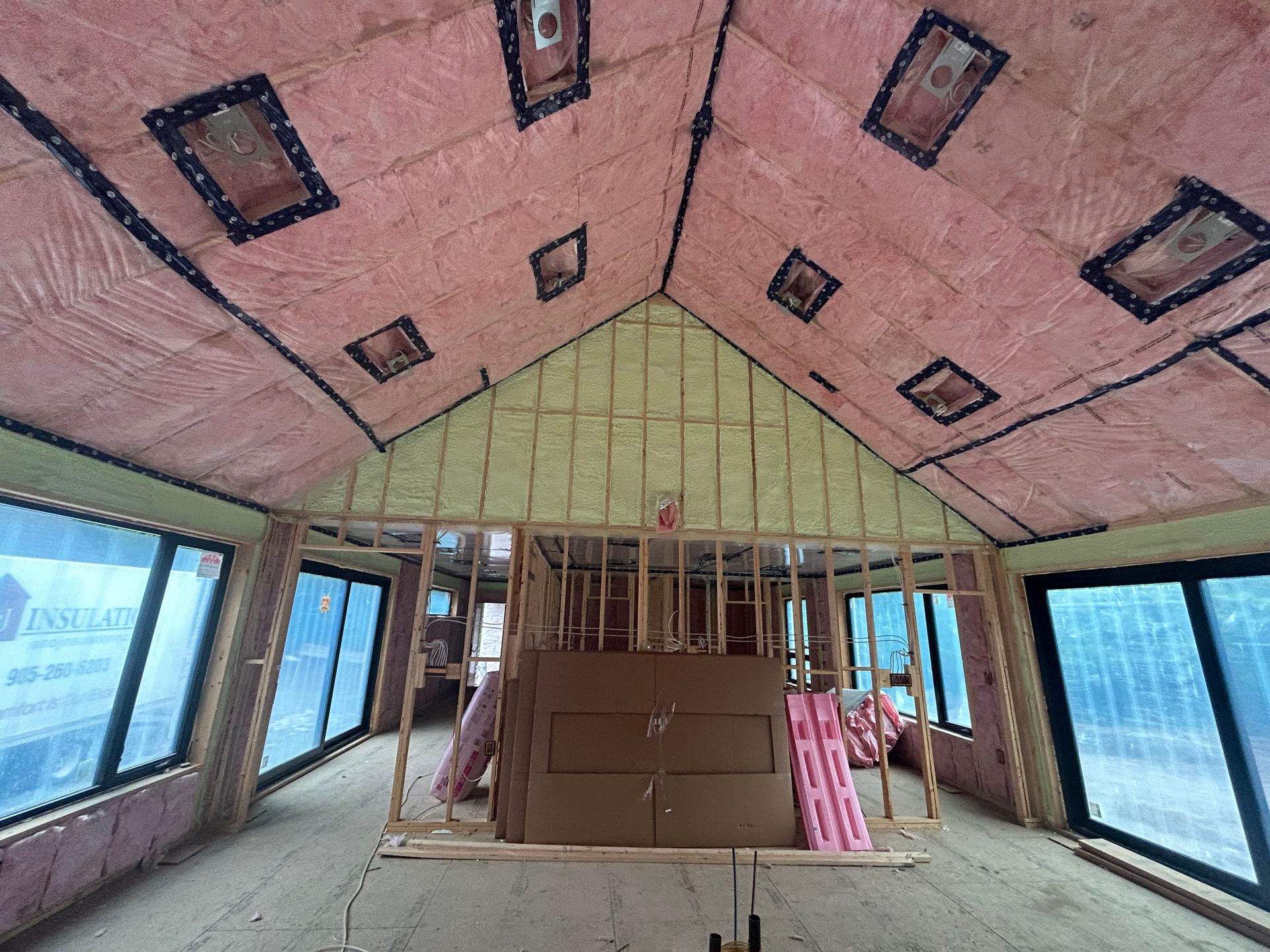
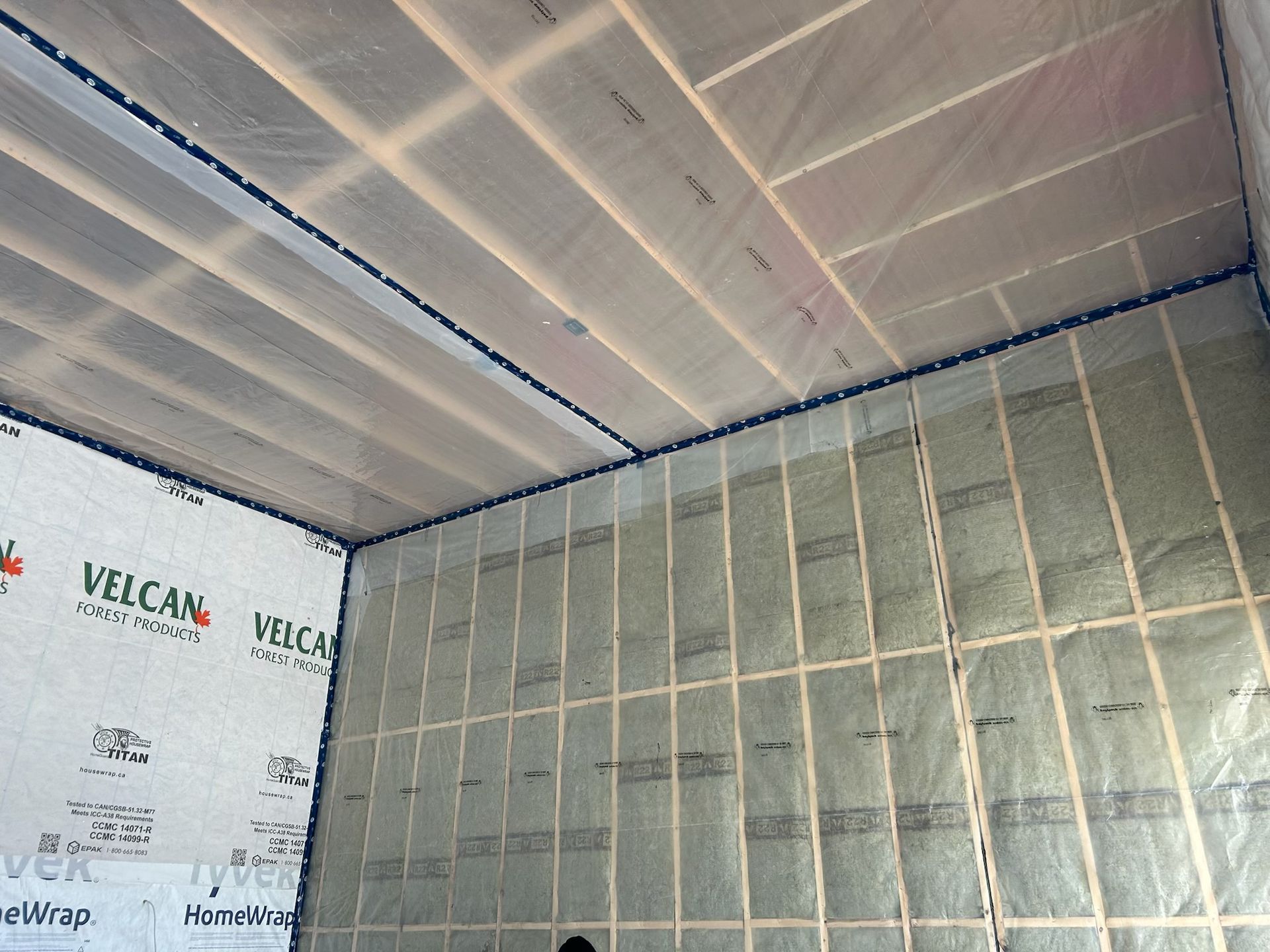
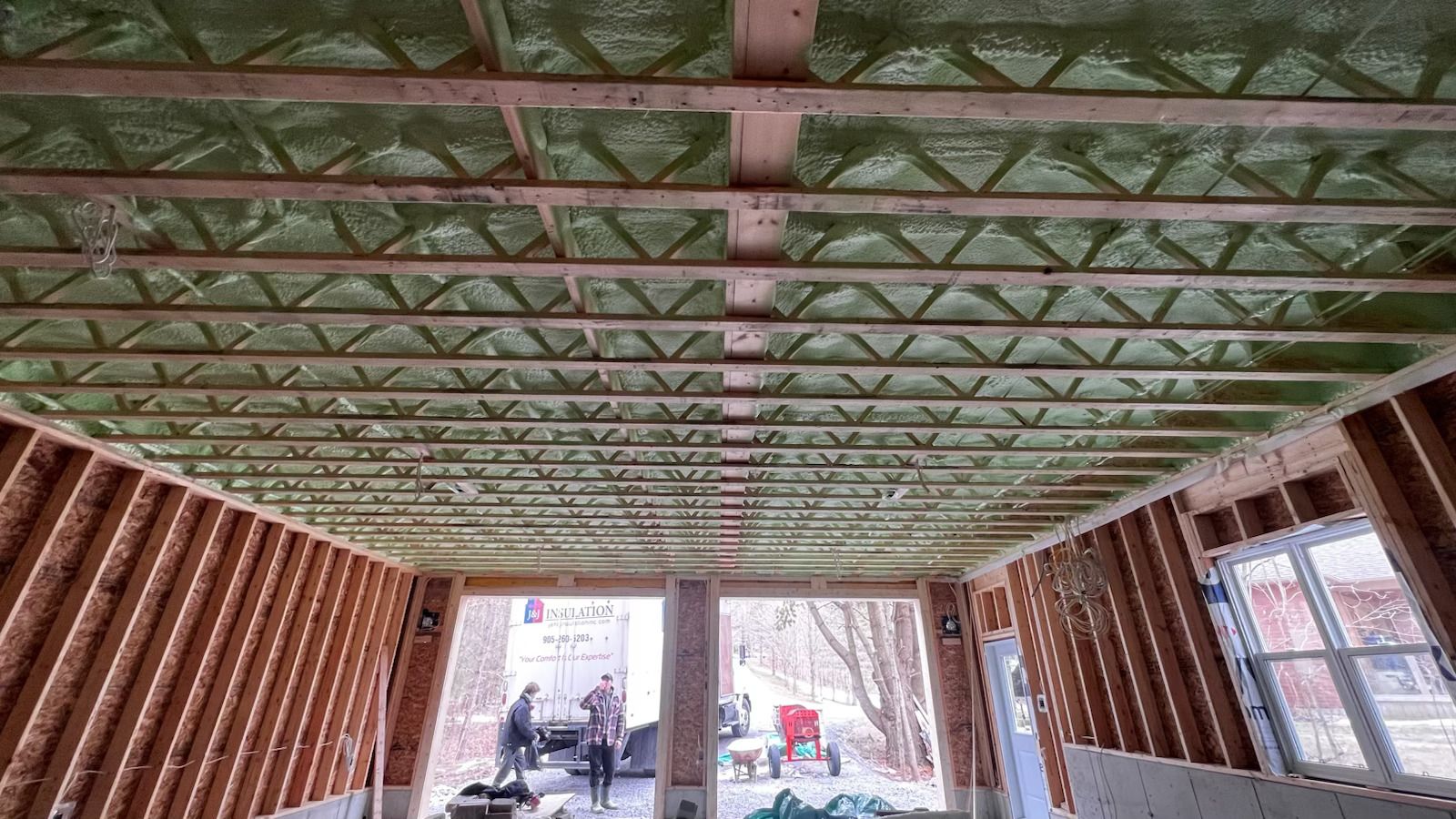
Even the highest rated R-value material cannot deliver a solid ROI if the building has massive structural air leaks around loading dock doors. A comprehensive approach requires sealing the thermal bridges where the steel framing meets the exterior metal panels. If the massive bay doors are left unsealed the cold wind will simply bypass the newly installed foam entirely. The true financial return relies on creating a continuous airtight envelope rather than just spraying the easiest sections of the wall.
Frequently Asked Questions
How quickly do warehouse thermal upgrades pay for themselves?
Most warehouse facilities see a complete return on their initial investment within three to five years. This timeline accelerates significantly if the building currently relies on expensive electric heating systems or if the original fiberglass has completely fallen off the metal decking.
Will upgrading roof insulation stop HVAC systems from overworking?
Yes creating a solid thermal barrier prevents the warm air from escaping through the metal roof which stops the thermostat from constantly triggering the heating cycle. Reducing this mechanical cycling prevents premature motor burnout and lowers the annual maintenance costs for your rooftop units.
Can poor air sealing negate the R-value of new materials?
Absolutely because thermal resistance measures how heat transfers through a solid object not how wind blows around it. If the joints around the windows and structural beams are not properly sealed the freezing drafts will strip the heat from the room regardless of the wall material thickness.
Finalize Your Facility Audit
Making smart capital improvements requires accurate data and a clear understanding of the expected financial return. Securing a professional assessment of your industrial space ensures you make the most cost effective choice for your business. Contact our commercial team today to schedule an audit and start reducing your operational overhead.