5 Signs Your Attic Needs Expert Spray Foam Insulation Services
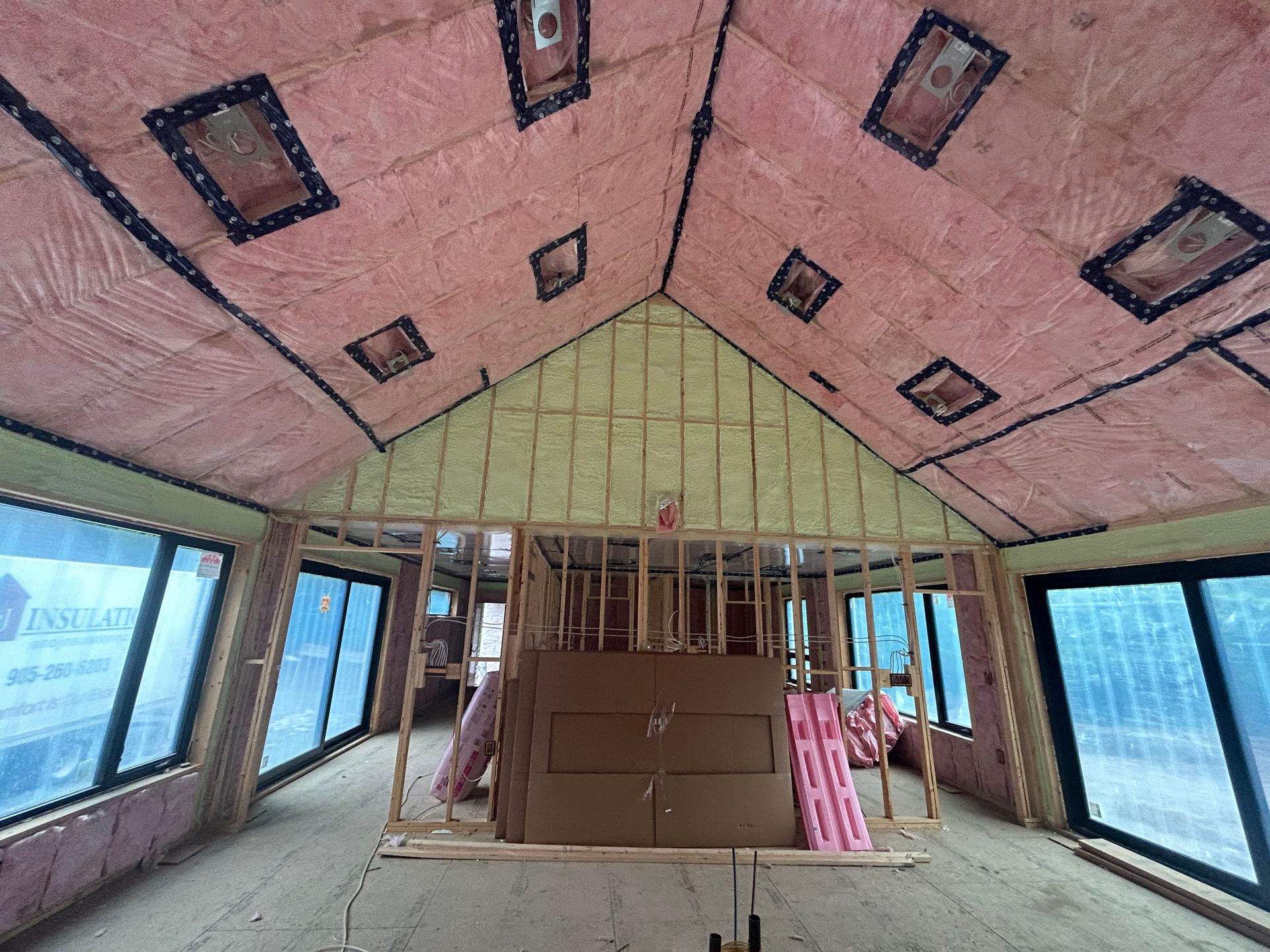
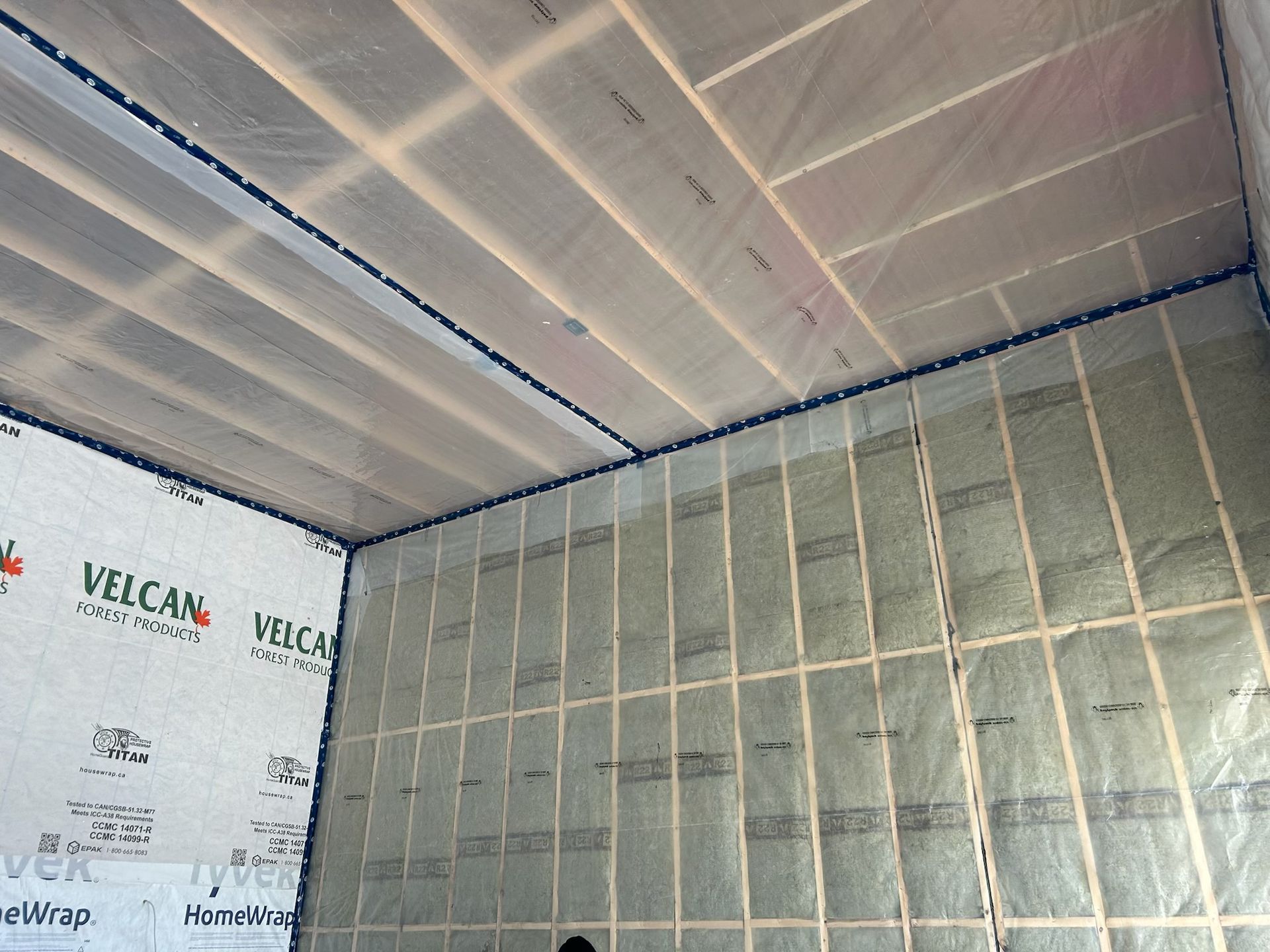
Many homeowners in the Durham Region, Kawartha Lakes, Muskoka, GTA, and Toronto do not realize their attic is failing until they spot severe water damage on their living room ceiling. Traditional fiberglass batts break down rapidly when exposed to humidity and extreme temperature swings in an unconditioned roof space. J&J Insulation Inc. receives calls every winter from residents across these regions who are desperate to stop the massive heat loss occurring right above their heads. Upgrading to a modern thermal barrier is the only permanent fix for a deteriorating upper envelope.
Recognizing the early warning signs of attic failure saves you from expensive structural repairs down the road. Poor roof insulation allows conditioned air to escape, forcing your HVAC equipment to work overtime. Investing in expert spray foam insulation services seals those gaps permanently and strengthens the structural integrity of your roof deck. These five critical signs indicate it is time to upgrade your property.
In This Article:
- Tip #1: Ice Dams Forming On The Roof
- Tip #2: Rapid Fluctuations In Second Floor Temperatures
- Tip #3: Visible Moisture And Frost Build Up
- Tip #4: Unexplained Increases In Monthly Heating Bills
- Tip #5: Finding Pest Intrusion In Existing Cellulose
- Frequently Asked Questions
- Protect Your Roof Deck Today
Tip #1: Ice Dams Forming On The Roof
Thick ridges of ice forming along your gutters point directly to massive thermal bypasses in your attic floor.
- Heat Escape: Warm air leaking from your living space melts the snow sitting on the upper roof.
- Refreezing Cycle: The melted water runs down to the cold eaves and refreezes into a solid block of ice.
- Structural Damage: This ice dam forces subsequent melting snow to back up under your shingles and rot the wood decking.
Tip #2: Rapid Fluctuations In Second Floor Temperatures
An attic that lacks proper air sealing will make the rooms directly below it impossible to keep comfortable.
- Summer Heat: Radiant heat bakes the upper floor bedrooms during the day if the ceiling is not thermally separated.
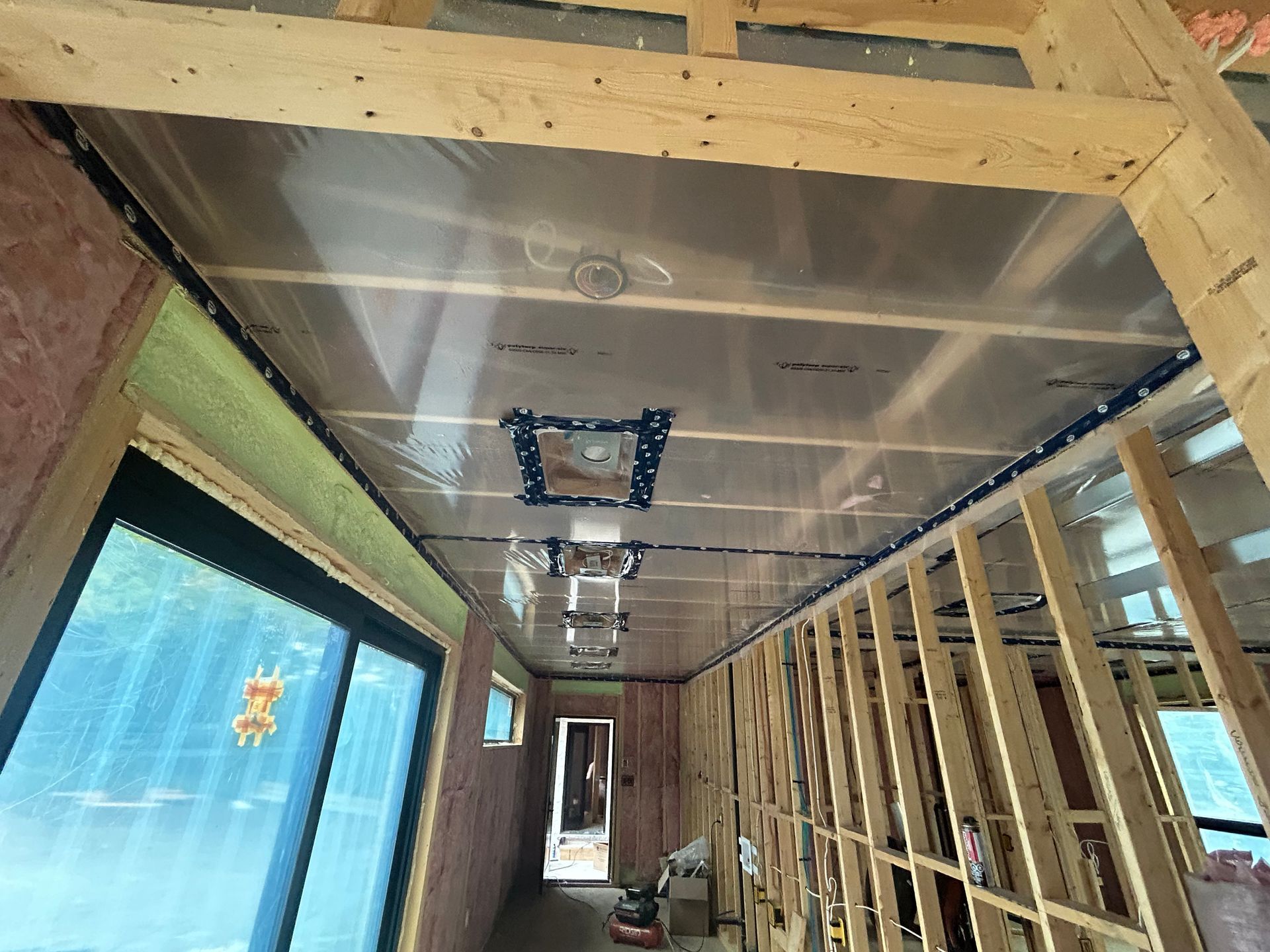
- Winter Chills: The lack of a proper barrier allows freezing drafts to sink right through your recessed lighting fixtures.
- HVAC Strain: Your thermostat constantly struggles to balance the temperature between the ground floor and the upstairs bedrooms.
It’s a pattern the team at J&J Insulation Inc. hears regularly from clients throughout the Durham Region, Kawartha Lakes, Muskoka, GTA, and Toronto who upgrade their properties for better comfort and efficiency.
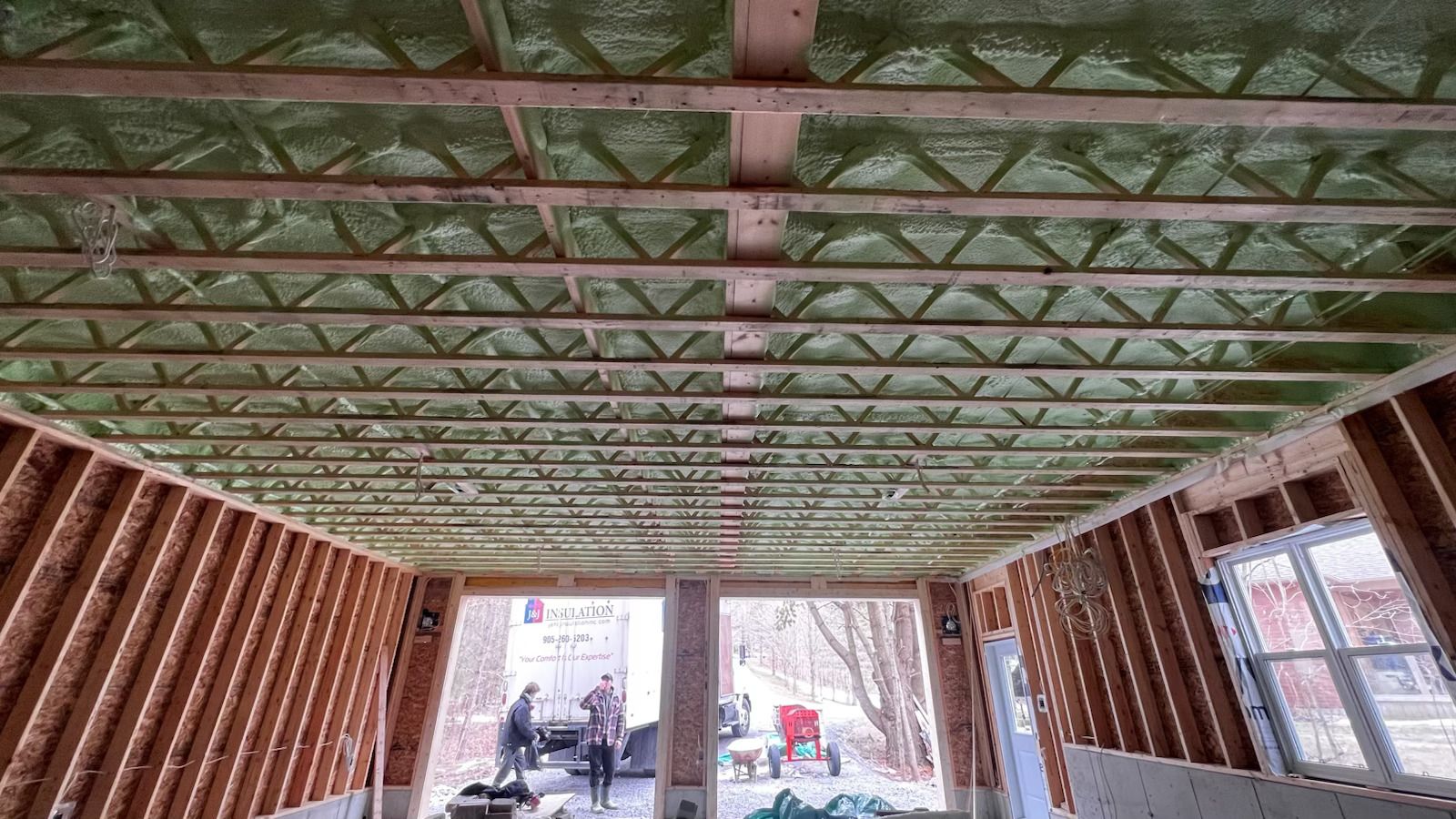
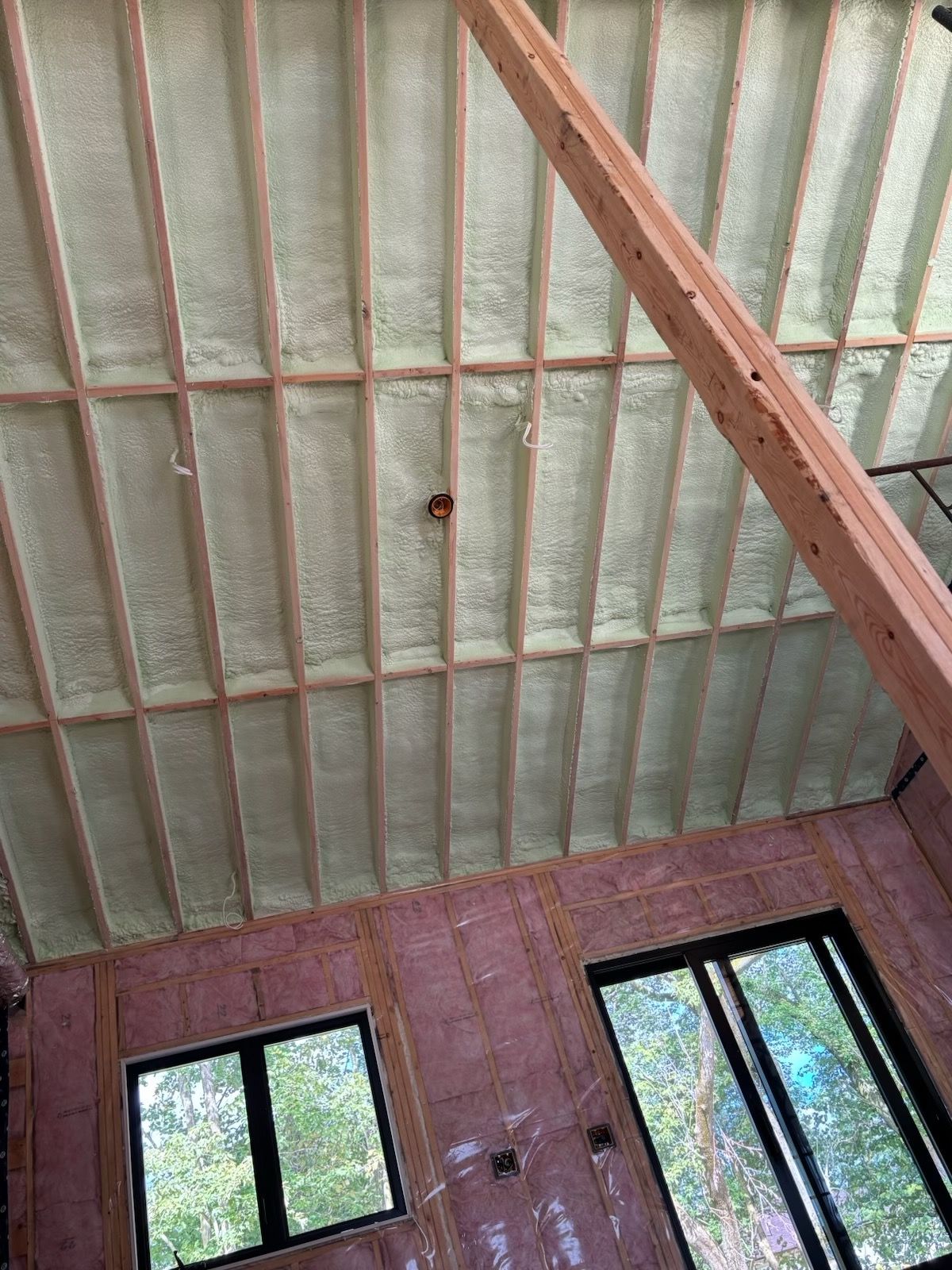
► Client Experience: Brent Roberts shared: “...They are hands down the best insulation team I have used. Today, Christian and Zach came to spray foam a large section of my garage attic. They arrived on time, prepared the area, and sprayed in R40 closed cell foam. They repaired my attic hatch which is in the garage, took a complete video of their work and showed it to me. That area, which was frosting up with ice crystals, will no longer have that problem as the complete garage area is sealed now.”
Brent found that applying closed cell foam completely stopped the frost accumulation happening in his garage attic space.
Tip #3: Visible Moisture And Frost Build Up
Going into your attic during the winter and seeing frost on the nail heads means you have a severe ventilation and sealing problem.
- Condensation Point: Warm household air collides with the freezing roof deck and creates immediate condensation.
- Mold Growth: When the frost eventually melts it drips onto the floor joists and feeds black mold colonies.
- Wood Rot: Constant moisture exposure softens the structural trusses and weakens the entire roof system.
Tip #4: Unexplained Increases In Monthly Heating Bills
If your utility costs are climbing while your usage habits remain the same, your attic is likely the culprit.
- Thermal Drift: Traditional materials lose their R-value over time as they settle and compact.
- Air Infiltration: High winds easily push through old venting systems and strip the heat right out of the building.
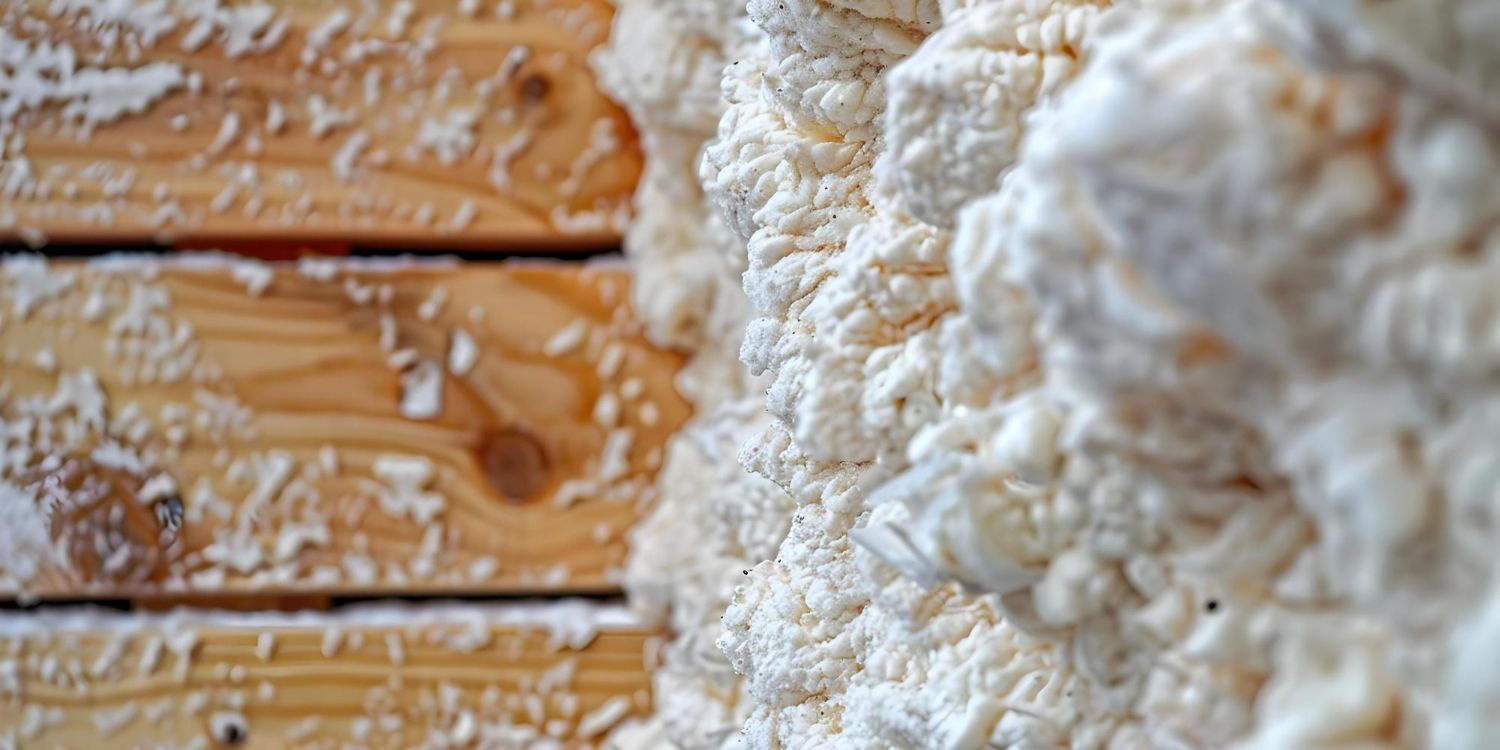
- Efficiency Loss: Spray polyurethane expands to fill every tiny crack and stops this expensive energy drain instantly.
Tip #5: Finding Pest Intrusion In Existing Cellulose
Mice and squirrels love to nest in loose fill products because the material is soft and easily displaced.
- Contamination Risks: Pests leave behind droppings that contaminate the air circulating through your home.
- Tunneling Damage: Rodents dig pathways through the fiberglass which destroys its ability to trap heat.
- Hardened Barrier: Expanding foam dries into a rigid barrier that deters pests from chewing through the roofline.
Frequently Asked Questions
Does spray foam prevent attic mold?
Yes. It prevents mold by acting as a complete vapor barrier that stops warm, moist air from reaching the cold roof deck. Mold requires condensation to grow and closed cell applications eliminate the dew point surface where moisture typically gathers.
How long does it take for spray foam to cure in an attic?
The chemical mixture expands and hardens within seconds of hitting the surface, but the full curing process takes roughly 24 hours. We require the property to remain vacant during this initial curing phase to ensure maximum safety and proper off-gassing.
Will spray foam stop rodents from entering the roof?
While no material is completely rodent proof, rigid foam provides a significant deterrent because it offers no nesting value and is difficult to chew. Sealing the tiny gaps along the soffits also removes the entry points that mice typically use to breach the attic.
Protect Your Roof Deck Today
Ignoring a failing upper envelope leads to massive energy waste and dangerous structural rot. Securing a modern thermal barrier stops drafts and lowers your monthly overhead permanently. Contact our team today to evaluate your attic space and determine the best approach for your property in the Durham Region, Kawartha Lakes, Muskoka, GTA, or Toronto.