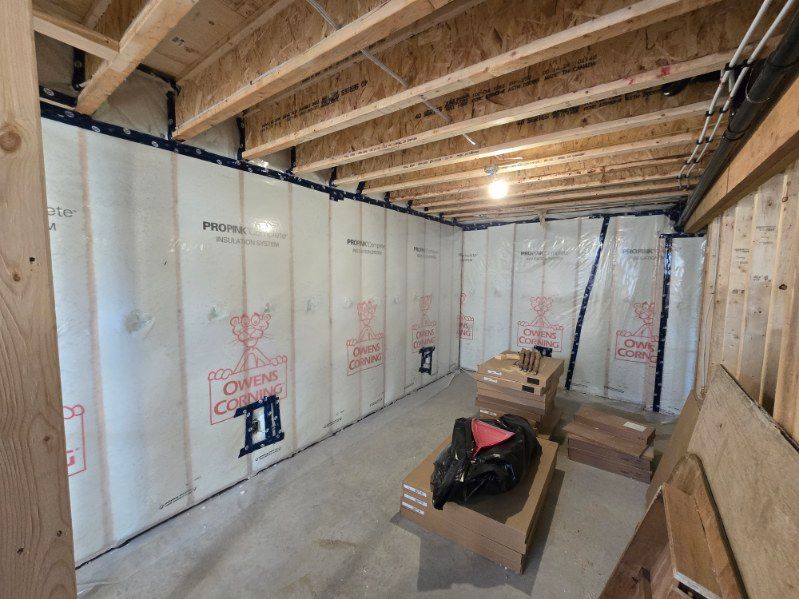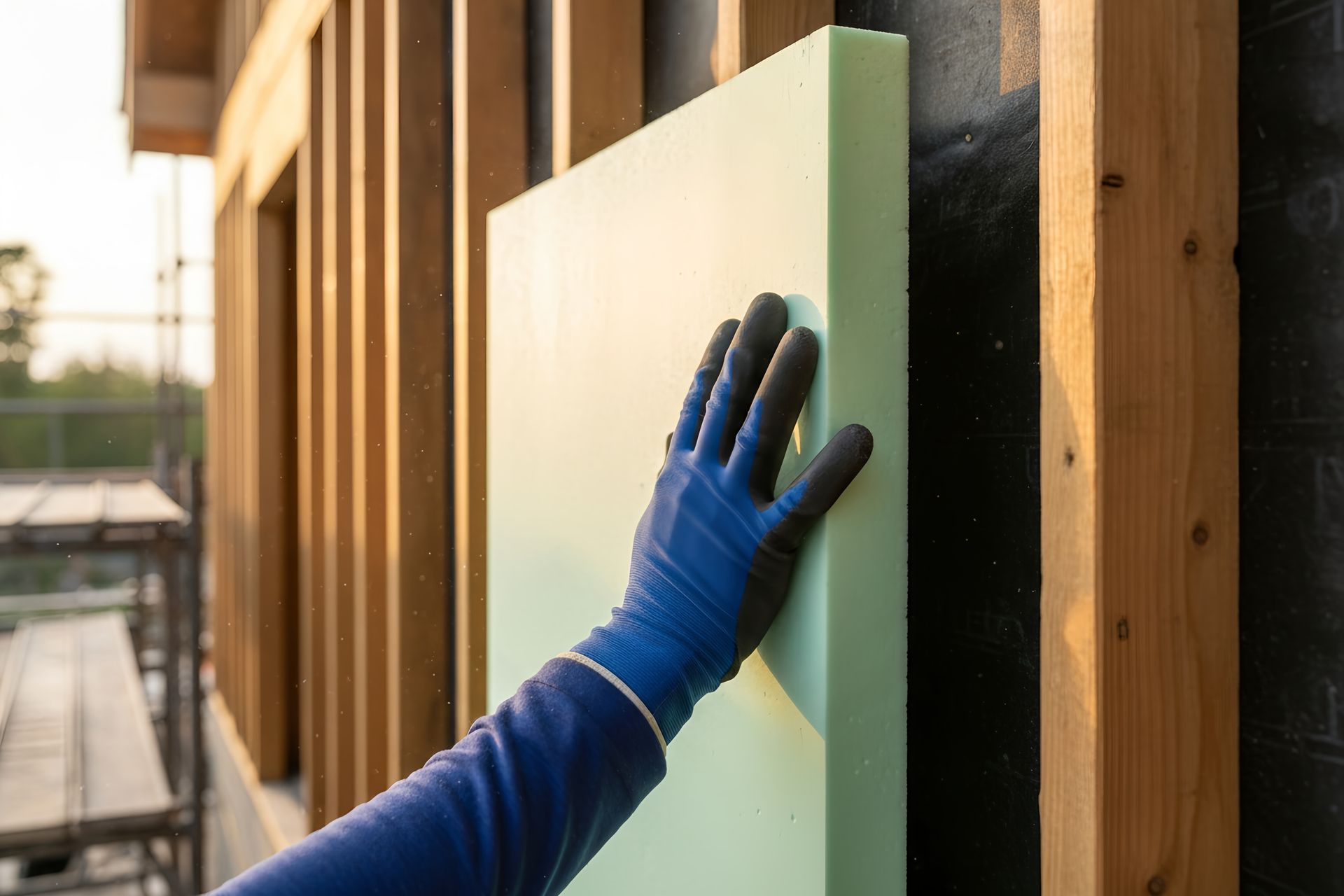
Protecting Warehouse Walls With Commercial Insulation Services
Managing a large industrial facility in the Durham Region, Kawartha Lakes, Muskoka, GTA, or Toronto requires keeping overhead costs low while protecting your valuable inventory from fluctuating temperatures. High traffic warehouses face constant physical threats that can easily compromise an unprotected thermal boundary over time. At J&J Insulation Inc., we know that installing top-tier materials is only the first part of maintaining a highly efficient commercial building. You must actively protect your investment from daily operational hazards to ensure it continues to block heat and moisture effectively.
Implementing regular checks on your commercial insulation services guarantees your facility remains airtight and energy efficient for decades. Simple daily habits and minor operational adjustments prevent heavy machinery from destroying your exposed wall cavities. This guide provides an actionable checklist to help your maintenance crew identify potential damage before it turns into a massive structural failure. Following these steps will drastically extend the lifespan of your warehouse thermal envelope.
What We Cover:
- Immediate Post Application Care
- Ongoing Forklift And Traffic Defense
- Spotting Early Adhesion Failures
- Frequently Asked Questions
- Extend Your Thermal Protection
Immediate Post Application Care
The first few weeks following a fresh installation are critical for ensuring the materials settle and cure properly within your facility.
- Monitor The Curing: Keep the warehouse climate controlled according to the contractor specifications to allow proper chemical bonding.
- Inspect The Edges: Walk the perimeter to check that the newly applied thermal barriers sit perfectly flush with the metal framing.
- Limit Heavy Impacts: Keep heavy inventory stacking away from the freshly treated walls for at least fourteen days to prevent accidental gouging.
Ongoing Forklift And Traffic Defense
High-traffic commercial environments pose the biggest physical threat to any exposed structural materials in your loading zones.
- Install Guard Rails: Place physical metal barriers exactly three feet away from any treated wall to physically block forklift tines from making contact.
- Train Your Operators: Instruct your warehouse staff to report any accidental wall collisions immediately so the damage can be logged.
- Designate Storage Zones: Paint clear floor markings that dictate exactly how close wooden pallets can be stacked against the exterior walls.
It is a pattern the team at J&J Insulation Inc. hears regularly from clients throughout the Durham Region, Kawartha Lakes, Muskoka, GTA, and Toronto, who realize the importance of sealing large utility areas correctly.
► Client Experience: A.S Electrical Service Vivian Yao shared, “Amazing company, very detailed, and didn't take shortcuts, I very appreciate the fact that they pointed out some other defects which I could get corrected while we still had access. Highly recommended.”
► Ignoring minor puncture damage in a commercial warehouse allows severe moisture to bypass the barrier and rust the underlying metal structure rapidly.
Spotting Early Adhesion Failures
Catching small signs of material separation early allows you to book targeted repair work before you need a massive overhaul.
- Look For Peeling: Check the upper corners of your metal ceiling decking for any sections where the material appears to be pulling away.
- Track Condensation: Notice if specific bays in the warehouse develop pooling water on the concrete slab during sudden outdoor temperature drops.
- Feel The Drafts: Have your maintenance staff check around the large bay doors for cold air slipping behind the edge of the thermal application.
Frequently Asked Questions
Can forklift impacts compromise exposed wall foam?
Yes, direct physical impacts from heavy machinery easily crush the rigid cell structure of thermal materials and destroy the vapor barrier. Once the outer seal is broken, humid air enters the cavity and begins degrading the surrounding application. Installing physical barrier guards is absolutely necessary in any zone where forklifts operate near exterior walls.
How often should a facility manager inspect the thermal envelope?
You should conduct a visual walkthrough of your entire structural perimeter at least once every quarter. Pay special attention during the transition between autumn and winter when temperature fluctuations cause maximum stress on metal buildings. Catching a tiny air leak in November prevents thousands of dollars in wasted heating costs by January.
Extend Your Thermal Protection
Protecting your facility walls from daily industrial wear guarantees your energy bills remain strictly under control. Train your staff to respect the perimeter and you will never have to worry about premature material failure. If your industrial or commercial facility is located in the Durham Region, Kawartha Lakes, Muskoka, GTA, or Toronto, reach out to our commercial team if you notice any physical damage that requires a professional touch up this season.
Ready to maximize the lifespan of your insulation investment? Contact J&J Insulation Inc. for expert commercial insulation services across the Durham Region, Kawartha Lakes, Muskoka, GTA, and Toronto.