Stop Mold Before It Starts: The Problem with Old Cellulose Insulation
Discovering mold in your attic is a serious issue that threatens both your property value and your respiratory health. Many older homes throughout the Durham Region, Kawartha Lakes, Muskoka, GTA, and Toronto still rely on aging cellulose materials that have compacted and absorbed years of ambient humidity. At J&J Insulation Inc., we frequently see how failing thermal barriers create the perfect breeding ground for dangerous fungal growth in these communities. Addressing this moisture problem requires removing the saturated material before the decay spreads to your wooden roof trusses.
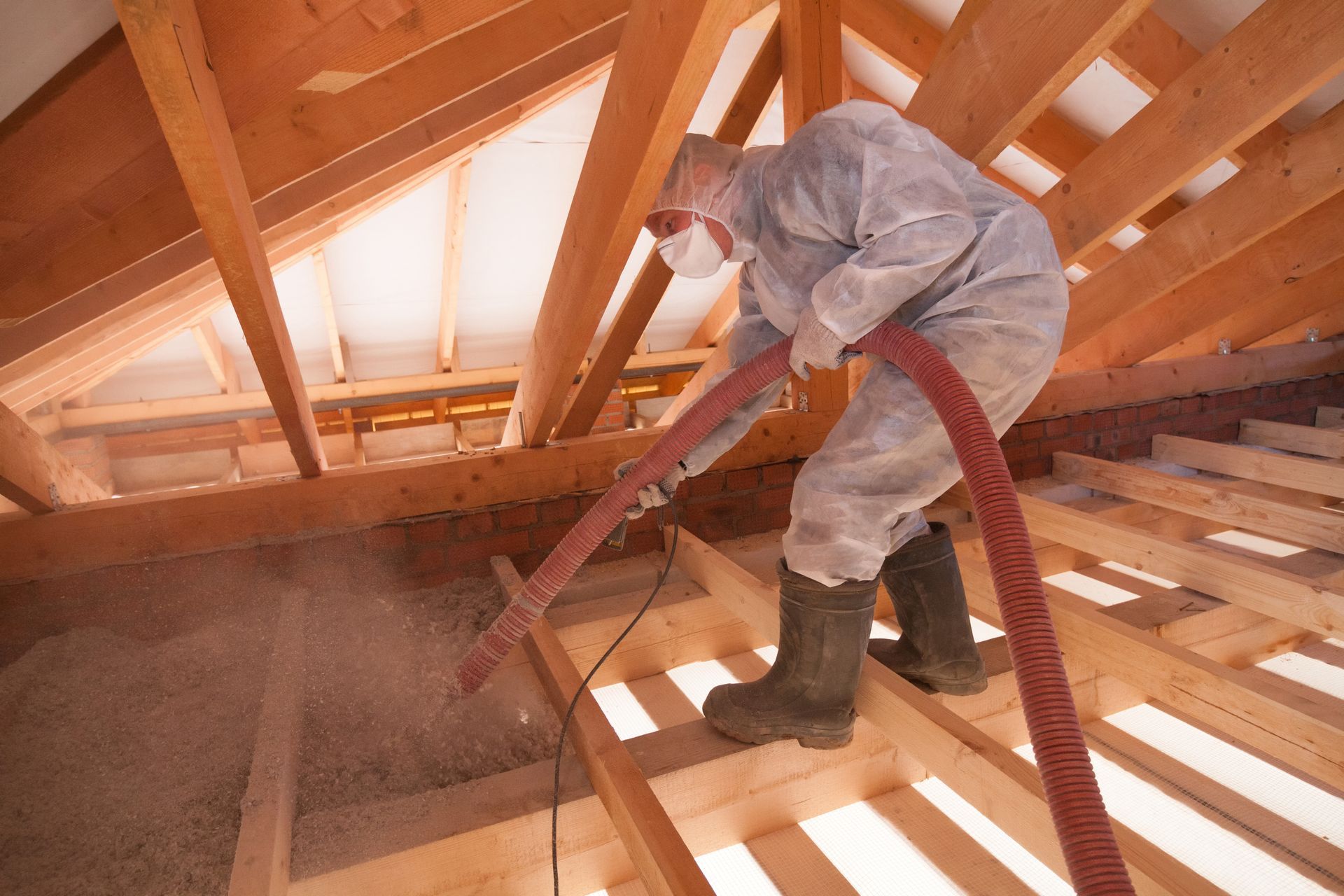
Upgrading to modern blown-in insulation services is the most effective way to restore your attic environment. Fresh materials properly regulate airflow and prevent the stagnant dampness that allows mold spores to thrive. This guide breaks down exactly how old materials fail and why prompt replacement is critical for the structural safety of your home—no matter where you live in the Durham Region, Kawartha Lakes, Muskoka, GTA, or Toronto. You will learn how to identify hidden decay and protect your investment from costly future repairs.
What We Cover:
- The Hidden Moisture Trap In Settled Cellulose
- Why DIY Top Ups Only Trap The Dampness
- Recognizing The Signs Of Insulation Failure
- How do you check for moisture damage behind existing blown insulation?
- Secure A Dry And Healthy Attic
The Hidden Moisture Trap In Settled Cellulose
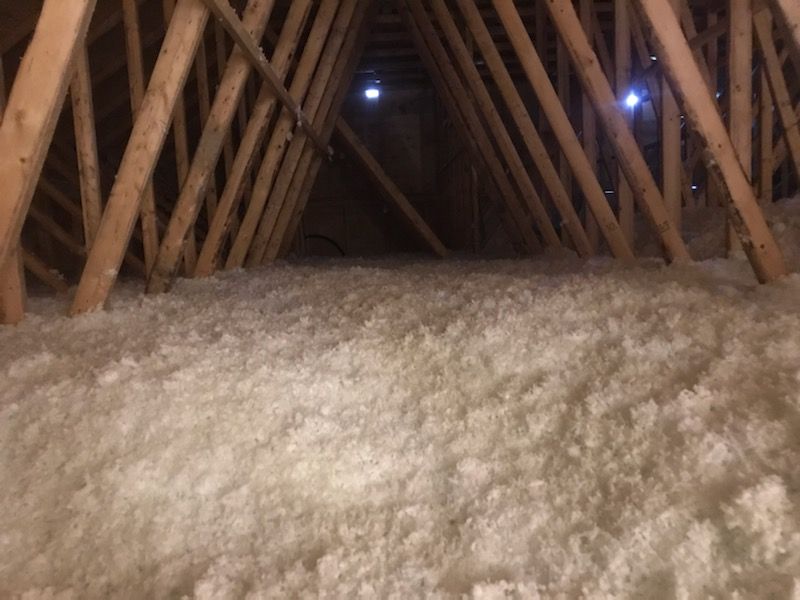
Cellulose insulation naturally settles and compacts as the years go by. When it loses its loft, it also loses its ability to block heat transfer effectively. Warm air from your living space escapes into the cold attic and hits the frigid roof decking. This temperature collision causes immediate condensation to form and drip directly down onto the compacted cellulose.
→ A quick tip to remember: Damp cellulose loses all thermal resistance and actively holds water against your ceiling joists.
Why DIY Top Ups Only Trap The Dampness
Many homeowners in Durham Region, Kawartha Lakes, Muskoka, GTA, and Toronto attempt to save money by renting a blower and pouring new material directly over the old insulation. This approach is a massive mistake because it seals the existing moisture underneath a brand new layer of fiberglass or cellulose. The trapped dampness has nowhere to evaporate and rapidly accelerates the rotting process of your structural timber. Professional insulation removal is an absolute necessity to eliminate the contaminated foundation before any new material is introduced.
This is a pattern the team at J&J Insulation Inc. hears regularly from homeowners who want the job done right the first time.
→ Client Experience: Andrew Murray shared: “I had to have all my insulation replaced in my attic and John the owner who came by to quote was great and explained what they will do and how they do everything. They were so good about cleaning up that you would never know they had even been here.”
Andrew discovered that starting with a clean and professionally cleared attic guarantees the new thermal barrier performs perfectly.
Recognizing The Signs Of Insulation Failure
You do not need to be a building scientist to spot the warning signs of failing attic insulation. If you notice a musty odor when you open your attic hatch, you already have an active moisture problem. Dark staining on the ceiling drywall below the attic space is another clear indicator that wet cellulose is resting directly on the gypsum board. Frost buildup on the underside of your roof nails during winter also proves that warm air is freely bypassing your thermal barrier.
→ From a professional standpoint: Never ignore peeling paint on your upper floor ceilings because it is often the first visual clue of attic moisture pooling.
How do you check for moisture damage behind existing blown insulation?
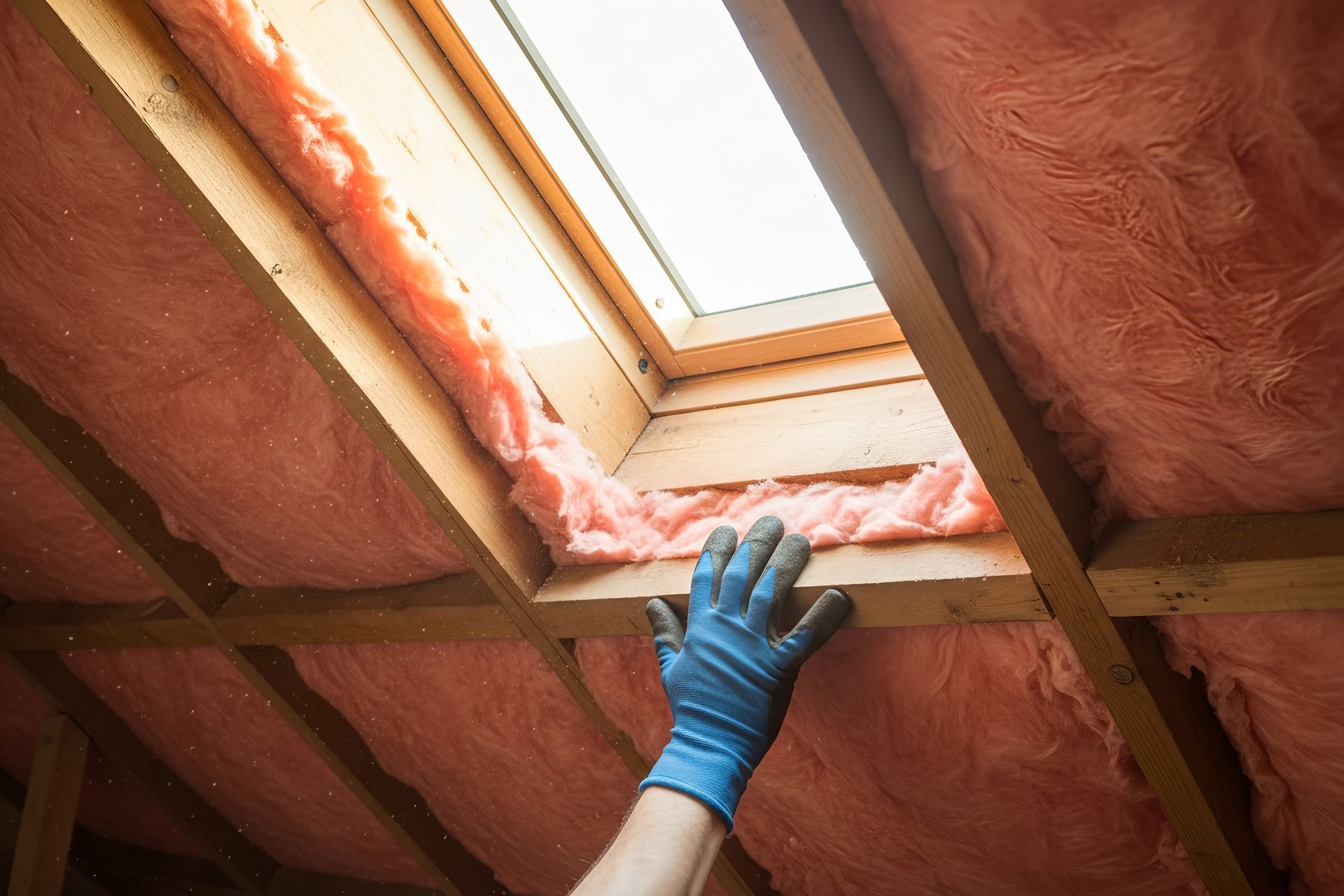
Inspecting for hidden damage requires moving the loose fill aside to reveal the drywall and joists below. You must wear a proper respirator to avoid inhaling stirred up dust or hidden mold spores. Gently rake the material away from the eaves and look for blackened wood or compressed clumps of insulation that feel heavy and damp to the touch. If the wood is soft or discolored, you need immediate professional removal and remediation.
Secure A Dry And Healthy Attic
Ignoring compacted and damp attic materials guarantees you will face expensive structural repairs down the road. Taking action to remove failing cellulose protects your roof decking and vastly improves the air quality inside your home. If you live in the Durham Region, Kawartha Lakes, Muskoka, GTA, or Toronto, reach out to our crew today to schedule an honest assessment of your attic conditions. For expert, local service in Durham Region, Kawartha Lakes, Muskoka, GTA, and Toronto, contact J&J Insulation Inc. for your attic insulation needs.