Open vs. Closed Cell Foam: Which Insulation is Best?
When considering different insulation options, homeowners and businesses often find themselves weighing the benefits of open-cell versus closed-cell foam insulation. Both types have distinct characteristics that cater to varying needs, offering unique solutions for energy efficiency and comfort. This guide offers a straightforward comparison to help in making an informed decision.
Understanding Open-Cell Foam Insulation
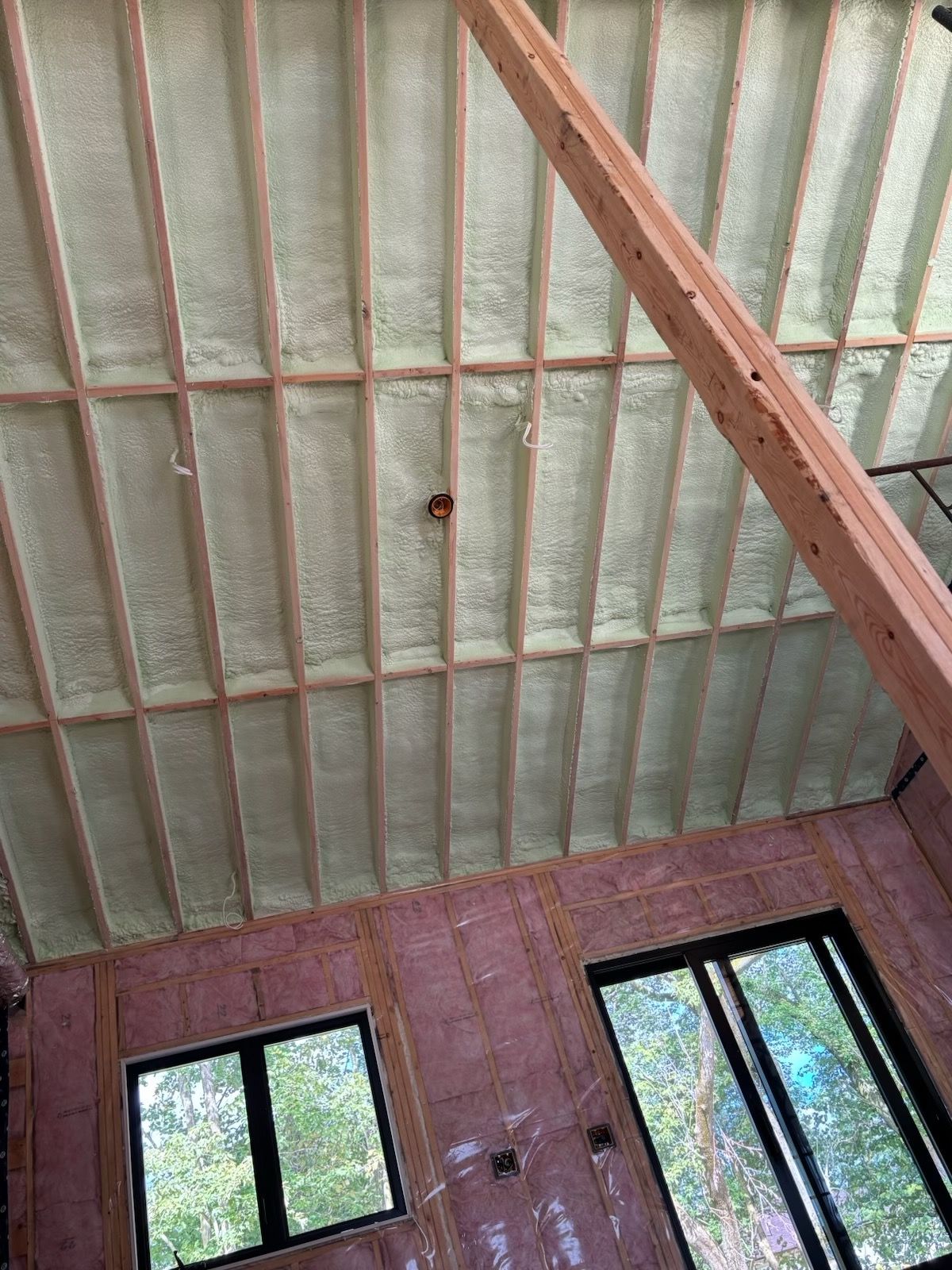
Open-cell foam insulation is characterized by its lightness and flexibility. The cells in this type of foam are not completely closed, allowing air to fill the spaces within. This structure gives open-cell foam a softer, more pliable quality, making it an excellent choice for certain applications.
Key Features of Open-Cell Foam
Density: Open-cell foam is less dense than closed-cell foam, which translates to a lower R-value per inch. However, it provides excellent sound absorption, which benefits noise reduction in residential settings.
Breathability: The permeability of open-cell foam allows moisture to pass through, reducing the risk of trapped condensation that can lead to mold and rot. This characteristic makes it suitable for areas where breathability is a priority.
Cost-Effectiveness: Typically, open-cell foam is more affordable than its closed-cell counterpart, making it a budget-friendly option for many homeowners.
Benefits of Closed-Cell Foam Insulation
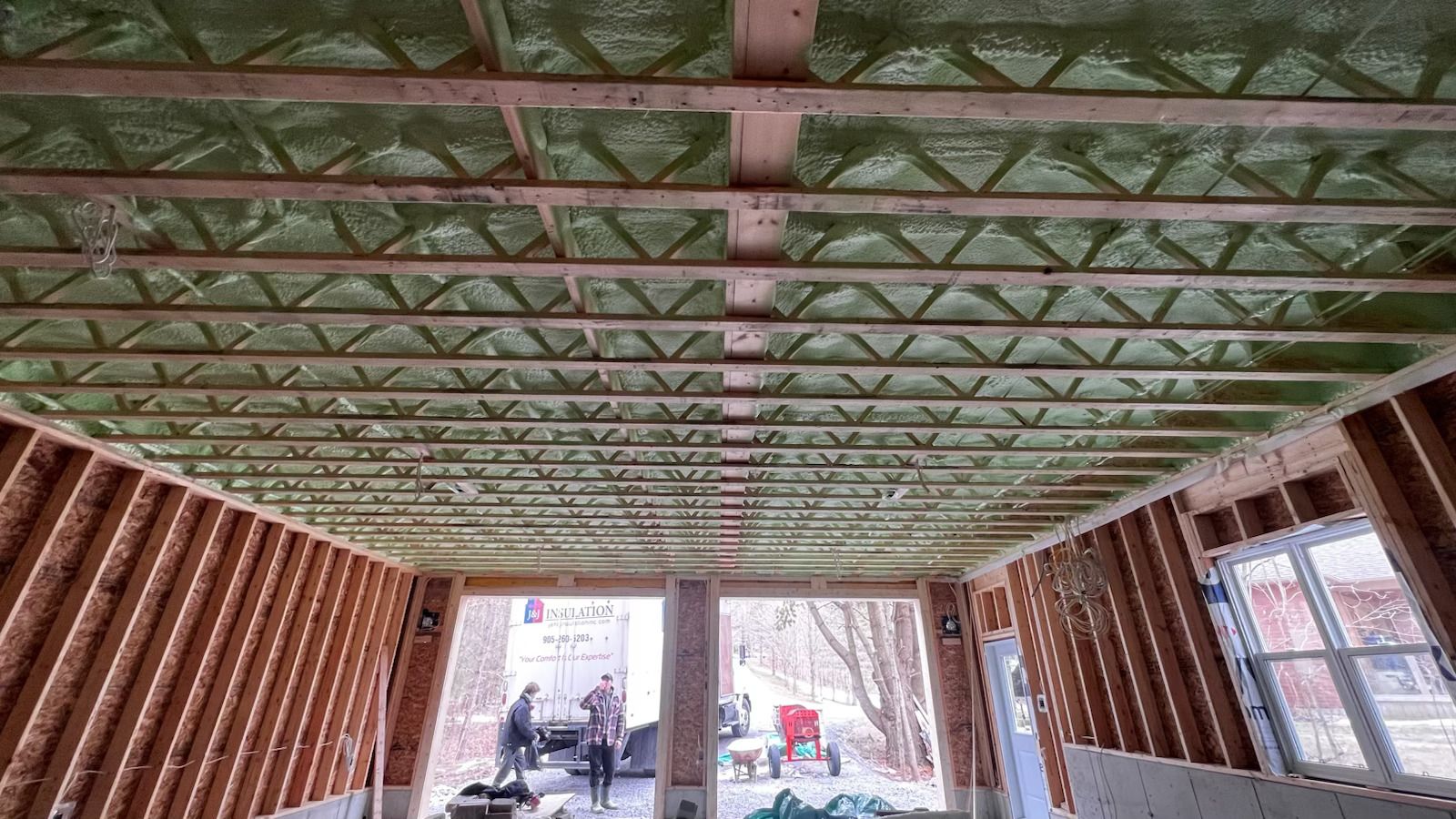
Closed-cell foam insulation, on the other hand, is known for its rigidity and superior insulating properties. The cells of this foam are completely sealed, providing a barrier that is both impermeable to air and water. This makes closed-cell foam highly efficient in extreme weather conditions.
Key Features of Closed-Cell Foam
High R-Value: With a higher R-value per inch, closed-cell foam provides exceptional thermal resistance, ideal for areas requiring superior insulation. It performs well in both hot and cold climates.
Structural Support: The density of this foam adds to the structural integrity of the space where it's applied. It can enhance strength in walls and roofs, an attribute that is often desirable in commercial buildings.
Moisture Barrier: Being impermeable to water, closed-cell foam offers an effective vapor barrier, protecting the property from moisture-related issues and mitigating the risk of mold growth.
Deciding Factors: Which Insulation Suits Your Needs?
Both open-cell and closed-cell foam offer unique advantages, and the best choice largely depends on the specific requirements of your property. Here are a few considerations to guide your decision:
Budget Considerations: If cost is a primary concern, open-cell foam may be the preferable option due to its affordability. However, if long-term savings and energy efficiency are priorities, the investment in closed-cell foam might prove worthwhile.
Climate Influences: In regions experiencing extreme temperatures, closed-cell foam’s high R-value is beneficial. Conversely, for moderate climates, open-cell foam often suffices.
Environmental Impact: For those prioritizing eco-friendliness, both options can be suitable depending on the materials and application methods used in installation. It's worth consulting with experts who understand these nuances.
Application Specifics: Consider the area needing insulation. For instance, if soundproofing is as crucial as thermal insulation, open-cell foam offers a dual benefit. In contrast, closed-cell foam is preferable for areas requiring moisture resistance.
Optimize Your Property's Comfort and Efficiency
With the variety of options available, selecting the right insulation can be a nuanced process that benefits from professional insight. Whether you're looking to maximize energy efficiency, enhance structural integrity, or ensure soundproofing, understanding the specific attributes of open and closed-cell foam is crucial.
If you're ready to enhance your property's insulation, engaging with specialists who can provide tailored advice makes all the difference. Your insulation choice not only influences comfort and cost savings but also plays a vital role in maintaining the overall health of your building.
Explore your options and make a decision that aligns with your comfort and budget goals. Reach out to professionals who can offer personalized assessments and ensure your insulation investment meets your exact needs. Whether open-cell or closed-cell foam suits you best, choosing wisely can lead to significant long-term benefits for your property.